9 Things to Move Off High Shelves As You Get Older (After 60) to Make Your Home Safer and Help Prevent Falls
High shelves might seem like a good place to store things, but as you get older, reaching for items overhead can become more difficult. Something as simple as getting a heavy pot from a kitchen cabinet or pulling a storage bin from the top of a closet can put you at risk of losing your balance or hurting yourself.
The good news is that you don't have to rearrange your entire home to make things easier. Moving a few everyday items to more accessible spots can make a big difference.

For more ways to make your home safer and easier to manage, check out these practical Decluttering Tips for Seniors.
If you're planning to age in place, here are some things you should consider moving off high shelves to make your home safer, more comfortable, and easier to manage.
1. Heavy Cookware and Small Kitchen Appliances
Heavy pots, cast-iron skillets, slow cookers, stand mixers, and food processors shouldn't be stored in cabinets that require you to reach above your head.
Even if you can still lift them, bringing a heavy appliance down from a high shelf can be awkward. You may have to stretch your arms while trying to keep your balance, especially if the item is bulky.
Where to move them: Store heavy cookware and appliances in sturdy lower cabinets, preferably around waist height. If you use your coffee maker or stand mixer regularly and have enough counter space, keeping it on the countertop may be more practical.
Try not to store heavy appliances too close to the floor, either. You don't want to replace overhead lifting with unnecessary bending.
2. Everyday Plates, Bowls, and Glassware
Think about how often you reach for plates, coffee mugs, drinking glasses, and bowls throughout the day.
If they're stored on the highest kitchen cabinet shelves, you're doing a lot of unnecessary stretching.
There's also the risk of dropping something breakable, especially when you're trying to pull one dish from a tall stack.
Where to move them: Keep your everyday dishes on lower cabinet shelves or in deep drawers designed to hold dishes.
Place the items you use most often toward the front so they're easy to grab.
It's also a good idea to keep plate and bowl stacks relatively small. That way, you won't have to lift several dishes just to get the one you need.
Save the upper shelves for lightweight serving pieces or other items you rarely use
3. Frequently Used Pantry Items
Pantry shelves can become crowded with canned goods, cereal boxes, flour containers, cooking oils, and other groceries.
The problem with storing these items overhead is that some can be surprisingly heavy, especially large bags of flour, bulk food containers, and stacked cans.
Reaching for them can be uncomfortable, and a container slipping from your hands could cause an injury.
Where to move them: Arrange your pantry so the foods you use regularly are between waist and shoulder height.
Keep heavier items, such as canned goods and large containers, on sturdy shelves where you can lift them without reaching overhead.
Lighter items, including extra paper napkins or unopened snack packages, can go on higher shelves.
You might also find it helpful to use small pantry bins to group similar items. Just make sure they're not so full that they become difficult to lift.
4. Medications and Health Supplies
Medications, first-aid supplies, blood pressure monitors, and other health-related items should be easy to locate when you need them.
Keeping these supplies on a high bathroom shelf or at the back of an overhead cabinet can make them harder to reach, especially if you're feeling unwell.
You also don't want to be searching through several cabinets when you need something quickly.
Where to Move Them
Choose a secure, easy-to-reach drawer or cabinet where you can keep your medications and frequently used health supplies organized.
Make sure the location meets the storage instructions for each medication. Many medications should be kept away from excessive heat and moisture, so the bathroom may not be the best place.
If children or grandchildren visit, keep medications in a locked cabinet or another secure location they cannot access.
Consider keeping a small, clearly labeled container for first-aid supplies so you can find what you need without searching.
5. Towels, Bedding, and Everyday Toiletries
Linen closets often have shelves that reach almost to the ceiling. While those upper shelves provide extra storage, they're not always practical for things you use regularly.
Bath towels, washcloths, spare sheets, shampoo bottles, and toilet paper can be awkward to pull down, especially when they're stacked together.
Large piles of bedding can also block your view of what's behind them.
Where to Move Them
Keep everyday towels and toiletries on the middle shelves of your linen closet or in accessible bathroom drawers and cabinets.
Store frequently used bedding where you can easily reach it without standing on your toes.
If you have extra guest linens, seasonal blankets, or rarely used bedding, keep those separate from your everyday supplies.
You can also use smaller baskets to organize washcloths, toiletries, and other lightweight items.
The goal is to avoid having to pull down an entire stack just to get one towel or sheet.
6. Clothing, Shoes, and Daily Accessories
If you have to stand on a stool to reach your favorite sweater, handbag, or pair of shoes, it's probably time to rethink your closet storage.
High closet shelves are useful for extra storage, but they shouldn't hold belongings you need every day.
Reaching overhead for clothing can be uncomfortable, and pulling down a heavy handbag or shoe box can throw you off balance.
Where to Move Them
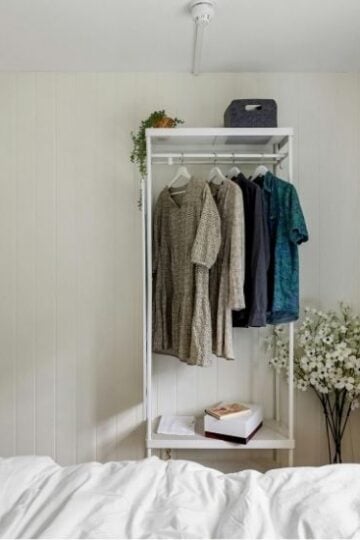
Keep frequently worn clothes in drawers, on reachable shelves, or on hanging rails that don't require stretching.
Place everyday shoes on a low shoe rack or an accessible closet shelf.
Handbags, hats, scarves, and other accessories can go on hooks or in shallow baskets at a comfortable height.
If your closet has double hanging rods, consider adjusting the arrangement so your most frequently worn clothes are on the easier-to-reach rod.
Reserve the upper shelves for lightweight seasonal clothing and accessories you rarely need.
7. Cleaning Products and Laundry Supplies
Large detergent bottles, cleaning sprays, refill containers, and other household supplies can be heavy and difficult to handle.
Keeping them on high laundry room shelves or overhead cabinets means you have to lift and lower them every time you clean.
There's also the possibility of a bottle leaking or spilling while you're trying to retrieve it.
Where to Move Them
Store cleaning and laundry products in a secure cabinet at a height where you can comfortably lift them.
If you buy detergent or cleaning supplies in bulk, consider keeping the large containers in an accessible storage area rather than lifting them repeatedly.
Keep products in their original labeled containers, and never transfer cleaning chemicals into food or drink bottles.
Also, avoid storing liquid cleaning products above face level, where a spill could get into your eyes.
If children visit your home, make sure cleaning supplies are securely stored out of their reach.
8. Important Documents and Emergency Supplies
Some things are too important to keep in hard-to-reach places.
Insurance papers, medical information, emergency contact lists, flashlights, and spare batteries are items you may need to find quickly.
If they're packed into boxes on the highest closet shelf, getting to them during an emergency could be difficult.
Where to Move Them
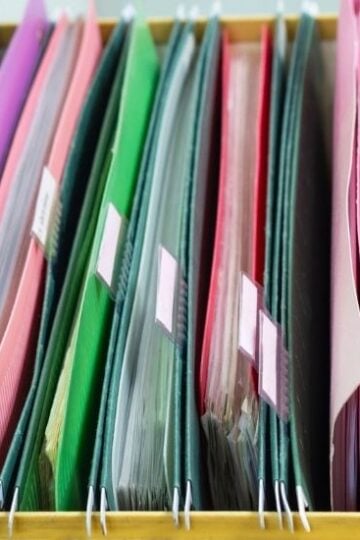
Keep important documents in a secure, accessible file drawer, document organizer, or fire-resistant storage box.
You can store emergency supplies in a designated cabinet or drawer that's easy to reach.
Flashlights should be kept in convenient locations, such as a bedside drawer, so you can find one during a power outage.
It's also helpful to let a trusted family member or another trusted person know where your important documents and emergency information are stored.
You don't need to leave sensitive paperwork out in the open. Just make sure it's secure and accessible when needed.
9. Bulky Storage Bins, Luggage, and Holiday Decorations
Large storage bins and suitcases are often pushed onto high closet or garage shelves because they're not used very often.
But getting them down can be difficult, especially when they're heavy or awkward to grip.
A large bin can also block your view as you're lowering it, making it harder to see where you're stepping.
Where to Move Them
Store bulky containers and luggage in accessible areas where you won't need to climb or reach overhead to retrieve them.
If you have large bins filled with holiday decorations, consider dividing the contents into smaller, lighter containers.
Label each bin clearly so you know what's inside without having to pull everything out.
You should also avoid leaving bins or luggage in hallways and other walking areas where they could become tripping hazards.
If something is too heavy or awkward to move comfortably, ask someone to help rather than trying to manage it yourself.
What Can Stay on High Shelves?
You don't have to empty every high shelf in your home. Upper shelves can still be useful for storing things you don't need regularly.
The key is choosing items that won't create unnecessary risks.
Some things that can stay on high shelves include:
- Lightweight seasonal decorations that aren't breakable.
- Extra pillowcases or lightweight linens you rarely use.
- Empty storage containers.
- Lightweight, nonbreakable household items you don't need often.
- Clearly labeled boxes that aren't overfilled.
Even with lightweight items, make sure they're stored securely and won't fall if the shelf is bumped.
Avoid keeping anything heavy, fragile, or urgently needed overhead.
And if you need to climb onto a chair or other furniture to retrieve something, it's better to move it to a more accessible location or have someone help you.
A Few More Ways to Make High Shelves Safe
Moving things off high shelves is a good start, but there are a few other simple changes worth considering.
Keep frequently used items within easy reach. Think about the things you use every morning or several times a week. Those deserve the most accessible storage spaces.
Don't overcrowd shelves. Packed shelves make it harder to see and retrieve things. Leave enough room to take items out without pulling other belongings down.
Check that shelves are sturdy. Make sure shelving units are stable, properly secured where needed, and not carrying more weight than they're designed to hold.
Use labels where they're helpful. Labels make it easier to find stored belongings without searching through several containers.
Avoid climbing on furniture. Chairs, countertops, and other furniture aren't safe substitutes for proper access equipment. If something is out of comfortable reach, ask for help moving it.
You don't need to make all these changes at once. Start with the areas you use most often and work through the rest of your home gradually.
Final Thoughts
Making your home safer as you get older doesn't always mean making big changes. Sometimes, it's as simple as moving a few things to a better spot.
Start by looking at the high shelves you reach for most often. Move heavy, breakable, and frequently used items somewhere you can get to them comfortably.
And don't hesitate to ask for help with anything that's difficult to lift or move.
A little rearranging now can save you a lot of unnecessary reaching, bending, and climbing later, making everyday tasks easier as you continue to enjoy your home.
More Home Safety and Organization Tips for Seniors:
- How to Simplify Your Home After Retirement
- 30-Day Decluttering Challenge for Seniors
- 10 Essential Documents Every Senior Should Organize

More Organizing
- 11 Practical No-Closet Bedroom Organization Ideas for Storing Clothes, Shoes, and Accessories
- Essential Documents Every Senior Should Organize Before an Emergency
- How to Create a No Distraction Zone in Your Home Office for Maximum Focus & Prodcutivity
- 5 Smart Under Stairs Storage Ideas to Maximize Small Spaces