How to Simplify Your Home After Retirement
How to Simplify Your Home After Retirement
Retirement changes more than your schedule. It can also change what you need from your home. You may spend more time there, travel more often, take up new hobbies, welcome family, or start thinking about downsizing or aging in place.
Simplifying your home after retirement can make everyday life easier. The goal isn’t to get rid of everything. It’s to reduce upkeep, improve safety, and create a home that fits the way you want to live now.

Ready to start clearing some of the excess? Try this 30-Day Decluttering Challenge for Seniors for small, manageable tasks you can tackle one day at a time.
1. Start With Your Retirement Lifestyle Plan
Before you start clearing closets, think about the next 5 to 15 years.
Do you expect to travel more? Will grandchildren or family visit regularly? Are you starting hobbies that need dedicated space? Do you plan to stay in your current home long term?
It’s also worth thinking ahead about mobility and home maintenance. A house that feels manageable today may require more work later.
Once you know what you want retirement to look like, it becomes easier to decide what your home needs, and what you can let go.
2. Identify Rooms That No Longer Fit Your Life
Look at rooms that were designed for an earlier stage of life.
A former home office could become a craft room, exercise space, guest room, or organized storage area. Bedrooms left behind by adult children can be repurposed instead of remaining untouched indefinitely.
You may also have a formal dining room, basement, or extra guest room that rarely gets used. Decide whether those spaces still serve a purpose or have simply become places to store things.
3. Let Go of Work-Life Clutter
Retirement is a good time to sort through belongings connected to your working years.
Start with professional clothing, uniforms, commuting bags, office supplies, old manuals, work files, binders, and duplicate electronics. You may also have awards or career mementos that can be reduced to a smaller, meaningful collection.
Review retirement-related paperwork as well. Keep documents that still have legal, financial, or personal importance, and securely dispose of records you no longer need.
4. Make Everyday Areas Easier to Use
Focus on the rooms you use every day. Small changes can make your home more comfortable and easier to maintain.
Kitchen
Keep everyday dishes, cookware, and pantry staples within easy reach. Move heavy pots and appliances out of high cabinets, and clear out duplicate utensils and gadgets you rarely use.
If you haven’t used three different blenders in years, retirement probably isn’t when the third one suddenly becomes essential.
Bedroom
Keep pathways around the bed open and easy to navigate. Store frequently used clothing, glasses, medications, and other essentials where you can reach them easily.
Consider removing extra furniture if it makes the room feel crowded or harder to clean.
Bathroom
Discard expired medications and toiletries you no longer use. Keep towels and personal-care products within comfortable reach.
This is also a good time to leave room for future safety features such as grab bars, non-slip mats, or a shower chair if they become useful.
5. Reduce Fall Risks and Physical Strain
A simpler home should also be a safer one.
Keep hallways, stairs, entrances, and bedroom paths clear. Remove loose rugs, unstable furniture, and cords that create tripping hazards. Make sure stairs, closets, bathrooms, and entryways have adequate lighting.
Whenever possible, keep frequently used belongings between waist and shoulder height. Everyday items shouldn’t require climbing onto a step stool or wrestling a heavy bin from a high shelf.
6. Simplify Home Maintenance Responsibilities
Look around your home for things that require more work than enjoyment.
Large collections, excess furniture, unused outdoor equipment, and too much décor can mean more cleaning and upkeep. Outdoor spaces may also become harder to maintain over time.
Decide which household jobs you still want to handle yourself and which ones you would rather outsource. Keep contact information for reliable cleaners, landscapers, repair professionals, and other service providers in one place.
Your time in retirement doesn’t have to be spent maintaining things you no longer need.
7. Sort Financial, Medical, and Estate Documents
Important paperwork should be organized and easy to locate.
Create a secure system for Social Security and pension information, retirement accounts, insurance policies, Medicare and healthcare documents, tax records, property documents, wills, trusts, powers of attorney, and healthcare directives.
Include a list of important contacts, accounts, advisers, and any funeral or end-of-life preferences you have documented.
Most importantly, make sure a trusted family member, executor, or power of attorney knows where these records are kept.
8. Address Sentimental Belongings Before They Become a Burden
Sentimental items are often the hardest part of simplifying, so give yourself time to work through them.
Choose the belongings that best represent important people, memories, and family history rather than trying to save everything.
Photograph bulky furniture, collections, artwork, or childhood belongings you don’t have room to keep. Letters, photographs, recipes, certificates, and other paper keepsakes can also be digitized.
Ask your adult children what they actually want instead of assuming they will eventually take everything. If there are heirlooms you know someone would appreciate, consider giving them now and sharing the story behind them.
9. Help Adult Children Remove Their Belongings
If your adult children still have boxes, clothes, furniture, or childhood belongings stored in your home, give them time to sort through everything.
Set a reasonable deadline and offer clear choices: take it, donate it, sell it, digitize it, or keep a limited amount in one designated container.
For children who live far away, send photos or arrange a video call so they can make decisions remotely.
Be clear about what will happen to anything left behind after the deadline. This prevents temporary storage from quietly becoming permanent storage.
10. Prepare for Future Downsizing or Aging in Place
You don’t need to be planning an immediate move to make downsizing easier later.
Start reducing oversized furniture, heavy possessions, and belongings that would be difficult to move. Organize garages, basements, attics, and storage areas so you know what you have.
Keep an inventory of valuables, heirlooms, and important documents.
If you plan to age in place, think about how your home might work if your needs change. First-floor living, an accessible bathroom, easier storage, and less outdoor maintenance can make a big difference.
A little planning now can prevent a much bigger job later.
11. Create a Retirement-Friendly Home Routine
Simplifying your home works best when it becomes an ongoing habit rather than a one-time project.
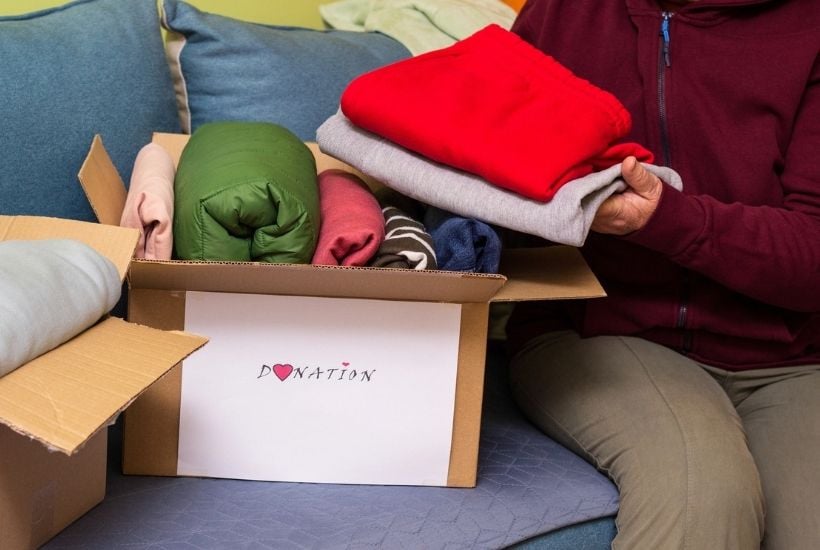
Keep a donation box somewhere convenient and add items whenever you realize you no longer use them. Once a month, spend a few minutes reviewing one drawer, closet, cabinet, or storage area.
Do seasonal home and safety checks, and be selective about what you bring into the house. Before buying something new, ask yourself where it will go and whether it serves a real purpose.
Revisit your setup whenever your routines, travel plans, health needs, or living arrangements change.
Final Thoughts
Simplifying your home after retirement is less about having fewer possessions and more about making life easier. A home with less clutter and upkeep can give you more time and energy for family, travel, hobbies, rest, and whatever else you want this stage of life to include.
Focus on creating a home that supports your life now instead of storing everything from the life you lived before. You don’t have to simplify it all at once. Start with the areas that will make everyday living noticeably easier.
Related Decluttering and Downsizing Articles:
- Downsizing Checklist for Seniors
- How to Decide What to Keep When Downsizing
- How to Preserve Family Memories Without Keeping Every Keepsake

More Decluttering
- 10 Thoughtful Gift Ideas for Seniors Have Everything and Don’t Want More Stuff
- How to Declutter Your Home After the Kids Have Moved Out Without Getting Rid of Every Memory
- 30-Day Decluttering Challenge for Seniors: Simple Daily Tasks for a Safer, More Manageable Home
- How To Preserve Family Memories Without Keeping Every Keepsake