11 Practical No-Closet Bedroom Organization Ideas for Storing Clothes, Shoes, and Accessories
Not having a closet in your bedroom can make keeping things organized a little tricky, especially when you need somewhere to store clothes, shoes, bags, and other everyday items. Without proper storage, it's easy for things to pile up on chairs, dressers, or even the floor.
The good news is that you don't need a built-in closet to keep your bedroom neat and functional. With a few practical no-closet bedroom organization ideas, you can create storage for everything you need without making the room feel cramped.
The key is to make good use of the space you have and choose storage solutions that fit your wardrobe and daily routine.
Before adding more storage, check out these tips on How to Declutter Your Bedroom to clear out what you no longer need and make better use of your space.
1. Measure Your Bedroom Before Adding Storage
Before buying a dresser, clothing rack, or storage cabinet, take a few minutes to measure your bedroom.
Look at the available wall space, empty corners, and areas around your bed. You may have more usable space than you think, but you don't want to fill every inch with furniture.
Here are a few things to consider:
- Wall space: Look for an empty wall that could accommodate a garment rack, dresser, or wall-mounted clothing rail.
- Floor space: Make sure you can still move comfortably around your bed and open the bedroom door.
- Under-bed clearance: Measure the space beneath your bed to see if storage bins will fit.
- Furniture placement: Consider replacing bulky furniture with taller, narrower pieces that provide more storage without taking up as much floor space.
Think about what you actually need to store in the bedroom. Clothes you wear regularly should be easy to reach, while seasonal clothing, extra bedding, and rarely used items can go somewhere less accessible.
Taking inventory first can also save you from buying storage furniture you don't really need.
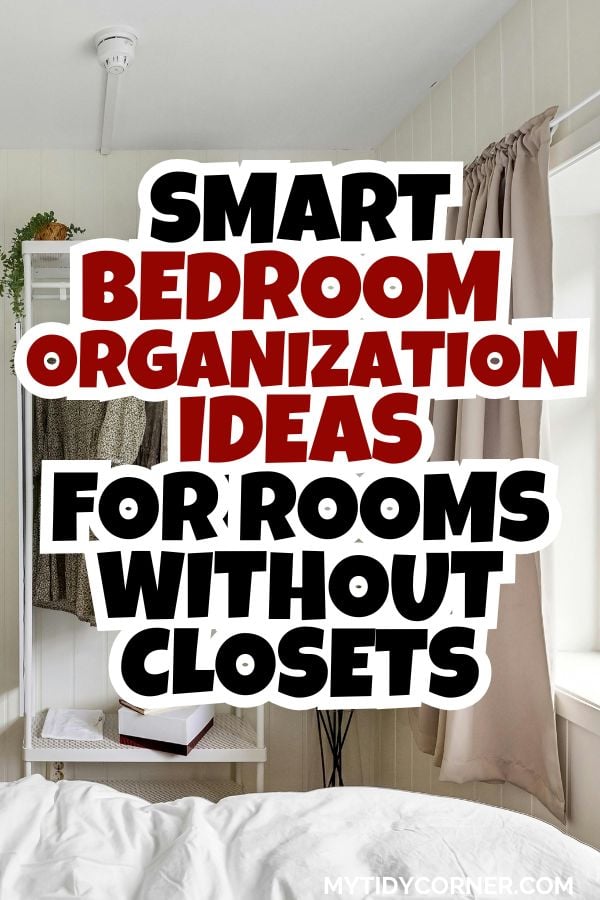
2. Use a Clothing Rack as an Alternative to a Closet
A freestanding clothing rack is one of the simplest ways to create hanging storage in a bedroom without a closet.
It's especially useful for dresses, jackets, button-down shirts, and other clothing you prefer not to fold.
Choose a sturdy rack that can comfortably hold the weight of your clothes. Some racks also have a bottom shelf for shoes or storage baskets, which helps you make better use of the space.
If floor space is limited, a wall-mounted clothing rail may be a better option. It keeps clothes off the floor and can fit along a narrow wall.
Just be careful not to overcrowd your hanging area. When too many clothes are packed onto an open rack, the room can quickly start looking messy.
Practical tip: Keep only your frequently worn clothes on the rack. Store off-season items elsewhere so your hanging area stays manageable. If you rent, check your lease before installing wall-mounted storage.
3. Choose a Dresser That Makes the Most of Your Space
Not every piece of clothing needs to be hung up. T-shirts, pajamas, workout clothes, jeans, and sweaters can usually be stored in drawers.
A dresser gives you concealed storage, which is especially helpful when most of your other clothing is visible.
If your bedroom is small, consider a tall chest of drawers instead of a wide dresser. It provides several drawers while using less floor space.
To make the drawers easier to manage:
- Use drawer dividers to separate socks, underwear, and smaller items.
- Fold clothes upright so you can see what's inside without digging through a stack.
- Assign each drawer a category instead of mixing unrelated items.
- Avoid filling drawers so tightly that they're difficult to open or close.
You can also use the top of your dresser for a small jewelry box or a tray for everyday essentials.
Just resist the temptation to turn it into a dumping ground for clothes and miscellaneous items.
Safety tip: Anchor dressers and other tall storage furniture to the wall using appropriate hardware to reduce the risk of tipping.
4. Take Advantage of the Space Under Your Bed
The space underneath your bed can provide valuable storage, especially when you don't have a closet.
It's a good place for items you need to keep but don't use every day.
Consider storing:
- Off-season clothing, such as winter sweaters or summer outfits.
- Extra sheets, pillowcases, and lightweight blankets.
- Shoes you wear occasionally.
- Spare towels or other bedroom linens.
Choose low-profile storage containers that fit comfortably under your bed. Bins with lids help protect clothes and bedding from dust, while containers with wheels can be easier to pull out.
If your bed sits too low, bed risers may create additional clearance, provided they're compatible with your bed frame and used safely.
Another option is a storage bed with built-in drawers. This can be especially useful if you're already planning to replace your bed.
One thing to remember: Under-bed storage works best for items you don't need every morning. You shouldn't have to pull out several containers just to find a clean shirt.
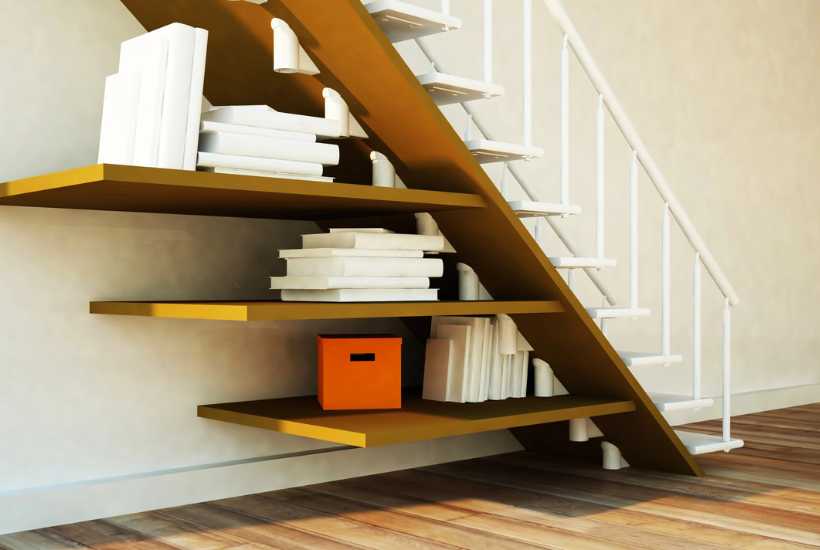
5. Use Vertical Space for Extra Storage
When floor space is limited, look at your walls.
Wall shelves, hooks, and narrow vertical storage units can provide additional room for belongings without taking up much floor space.
For example, you could install a shelf above a dresser to hold small storage baskets or use wall hooks for handbags, hats, and lightweight jackets.
A narrow shelving unit can also hold folded clothing in baskets, although closed storage is usually better if you prefer a less cluttered look.
Try to keep frequently used items within easy reach. Higher shelves are better suited to lightweight belongings you don't need often.
And don't feel that every empty wall needs a shelf. A few carefully chosen storage spots are usually more useful than covering the room with organizers.
6. Give Shoes Their Own Storage Area
Shoes can quickly become a problem in a bedroom without a closet, especially when they end up scattered around the floor.
The easiest solution is to give them one designated storage area.
A narrow shoe rack can fit against a wall or beside a dresser. If you prefer to keep shoes out of sight, consider a slim shoe cabinet with doors.
You can also use the bottom shelf of a clothing rack for a few pairs you wear regularly.
For shoes you don't use often, consider labeled boxes or covered under-bed containers.
Try to keep only your current-season shoes in the most accessible area. There's no reason for winter boots to take up prime storage space during the summer.
7. Create a Small Spot for Bags, Jewelry, and Accessories
It's easy to focus on clothing and forget about smaller belongings.
Handbags, belts, scarves, jewelry, and other accessories need their own places, too. Otherwise, they tend to collect on dressers, nightstands, and chairs.
A few simple solutions can help:
- Install hooks behind the bedroom door for bags, robes, or lightweight jackets, making sure the door still opens fully.
- Use a divided drawer organizer for jewelry, watches, and other small accessories.
- Keep scarves and belts in a basket or dedicated drawer.
- Place a small tray on your dresser for the items you use every day.
You can also designate one hook for the outfit you plan to wear the next day.
The goal isn't to add more organizers everywhere. It's to make sure your smaller belongings have somewhere to go when you're finished using them.
8. Hide Open Clothing Storage If It Makes the Room Look Busy
One downside of not having a closet is that much of your clothing may be on display.
Even when everything is neatly arranged, a full clothing rack can make a small bedroom feel visually crowded.
If you prefer a cleaner look, consider hiding your hanging clothes behind a curtain or folding screen.
A curtain mounted in front of a clothing rail can create the appearance of a simple wardrobe. A folding screen is another option if you want something that doesn't require permanent installation.
You could also use a freestanding wardrobe with doors if your room has enough space.
Before buying one, measure carefully. A wardrobe needs enough clearance for its doors to open, and it shouldn't block windows or walkways.
If you prefer open storage, matching hangers and a little space between garments can help everything look more orderly.
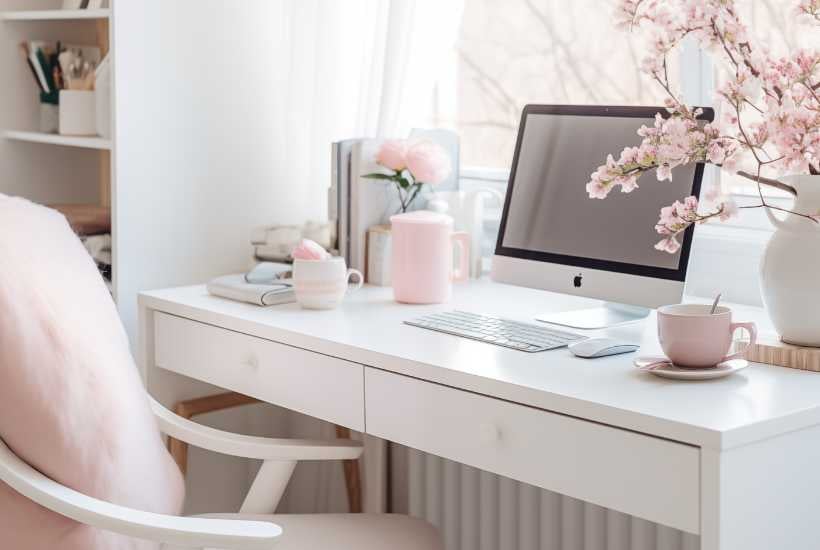
9. Keep Your Nightstand and Dresser Surfaces Clear
When storage is limited, flat surfaces often become temporary holding areas for everything that doesn't have a proper home.
Before long, your dresser may be covered with folded laundry, jewelry, receipts, hair products, and other miscellaneous items.
To prevent this, decide what actually belongs on each surface.
For example, your nightstand might hold a lamp, a book, and a small tray for your glasses. Your dresser might have a jewelry box and one container for daily essentials.
Everything else should have a designated storage spot.
If your nightstand doesn't have drawers, consider replacing it with one that does. A small bedside cabinet can provide useful concealed storage without requiring another piece of furniture.
Keeping surfaces relatively clear can make a bedroom feel more spacious, even when the room itself is small.
10. Declutter Your Clothes Before Buying More Organizers
One of the most useful things you can do when organizing a bedroom without a closet is to reduce the amount of clothing you're trying to store.
If your dresser is overflowing and your clothing rack is packed, adding another organizer may only postpone the problem.
Go through your clothes and look for items that no longer fit, clothes you don't wear, and duplicates you don't need.
Separate what you want to keep from what you can donate, sell, or discard.
Then organize what's left based on how often you wear it.
Keep everyday clothing within easy reach and move seasonal or special-occasion items to less accessible storage.
This doesn't mean you need a tiny wardrobe. It simply means making sure the clothes taking up valuable bedroom space are clothes you actually use.
11. Make Your Storage System Easy to Maintain
Once you've organized your bedroom, the next step is keeping it that way.
A complicated storage system can be difficult to maintain, especially when you're getting dressed in a hurry.
Keep things simple enough that putting clothes away doesn't feel like another chore.
A few habits can make a difference:
- Put clean laundry away instead of leaving it on a chair or bed.
- Return shoes and accessories to their assigned spots.
- Keep a laundry hamper in an accessible location so dirty clothes don't end up on the floor.
- Review your clothing when the seasons change.
- Reorganize drawers or racks when they become too full to use comfortably.
It's also helpful to have one designated spot for clothes you've worn but plan to wear again. A hook or small section of your clothing rack can work well for this.
That way, those clothes don't end up piled on a chair.
What If Your Bedroom Is Too Small for a Dresser and Clothing Rack?
Sometimes a bedroom simply doesn't have enough room for both.
In that case, focus on furniture that can handle more than one storage need.
A storage bed with drawers can replace a separate dresser for some wardrobes. A compact wardrobe with both hanging space and shelves may work better than having two separate pieces of furniture.
You could also use a small chest of drawers for folded clothing and install a short wall-mounted rail for the few items that need hanging.
If you have another suitable storage area in your home, consider keeping out-of-season clothes there instead of forcing everything into the bedroom.
The important thing is to prioritize the storage you need most. Someone who wears mostly T-shirts and jeans may benefit more from drawers, while someone with lots of dresses or work clothes may need more hanging space.
Final Thoughts
Organizing a bedroom without a closet doesn't have to mean filling it with clothing racks, shelves, and storage bins. A few well-chosen pieces can provide plenty of useful storage while keeping the room comfortable and easy to move around.
Start with what you own, decide what needs to stay in the bedroom, and give everything a place that makes sense for your daily routine. You may find that you need far less storage furniture than you originally thought.
The best no-closet bedroom organization system is one that fits your space, keeps your belongings accessible, and is easy to maintain.
More Bedroom Organization and Decluttering Tips:
- How to Declutter Your Clothes
- How to Organize Socks and Underwear without a Dresser
- 5 Smart Under Bed Storage Ideas to Maximize Your Space