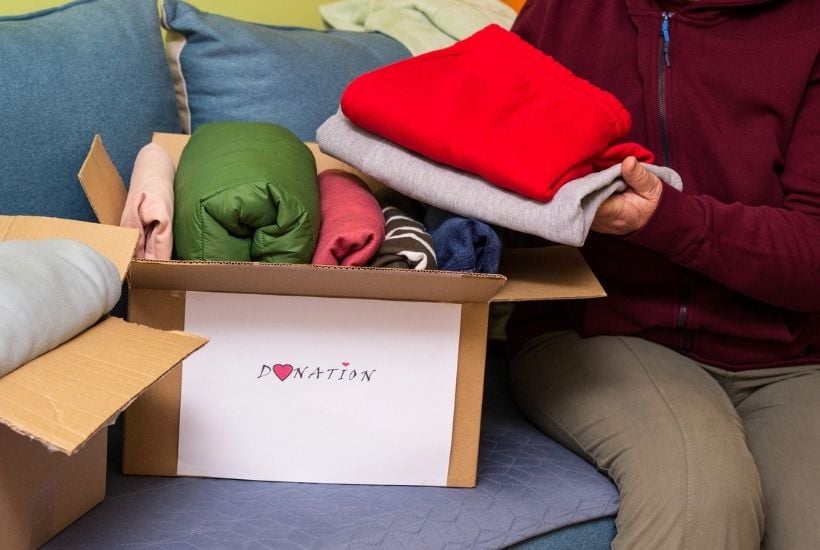
15 Things You No Longer Need After You Retire to Simplify Your Home and Reduce Clutter
There are plenty of things you no longer need after you retire, especially belongings that were once essential to your working life. From office clothes and commuting bags to extra household items, some may no longer fit your daily routine.
Retirement is a good time to reassess what you're keeping. You don't have to get rid of everything, just the things that no longer serve a purpose.
Here are 15 things worth reconsidering to make your home easier to manage and better suited to your retirement lifestyle.
If you're ready to simplify your space even further, these Decluttering Tips for Seniors can help you get started without feeling overwhelmed.
1. Work Clothes You Rarely Wear
If you spent years working in an office, you probably have plenty of blazers, dress pants, skirts, and button-down shirts.
But how often do you wear them now?
You may still need a few nice outfits for special occasions, volunteering, or consulting work. However, keeping an entire wardrobe of professional clothes may no longer make sense.
Try creating a smaller wardrobe with versatile pieces that can be mixed and matched. Pass along clothes that no longer fit or suit your lifestyle.
You'll spend less time sorting through outfits you rarely wear.
2. Extra Briefcases and Commuting Bags
Those briefcases, laptop bags, and work totes were useful when you were commuting every day.
Now, you probably don't need so many.
Think about the bags you reach for when running errands, traveling, or meeting friends.
A comfortable backpack or sturdy tote may be more practical than a formal briefcase.
Check the pockets of old work bags for forgotten papers, keys, or personal belongings before giving them away.
3. Outdated Professional Books and Training Materials
Professional books, training manuals, and old course materials can occupy entire shelves.
You may have kept them because they were expensive or helped you build your career.
But information changes, and some materials may no longer be relevant.
Separate current reference books from outdated manuals. If you still consult in your field or enjoy reading about it, those resources may be worth keeping.
Recycle obsolete materials and check whether libraries, schools, or community organizations accept the remaining books.
4. Old Work Files and Office Supplies
Years of working can leave you with stacks of paperwork, folders, notebooks, and more office supplies than you'll ever use.
Start by separating personal records from employer-owned materials.
Return confidential company documents and securely shred unnecessary papers containing sensitive information.
Keep records related to taxes, pensions, retirement benefits, and legal matters for the required period.
Then gather your office supplies in one place. You may discover you have enough pens, folders, and notebooks to last for years.
Set aside a small supply for household paperwork and everyday tasks.
5. Home Office Equipment You No Longer Use
If you worked from home, you may still have extra monitors, printers, keyboards, and filing cabinets.
Consider how you use your workspace today.
Perhaps you only need a laptop for paying bills, keeping records, or working on personal projects.
An unused filing cabinet could be replaced with a smaller storage solution, while extra electronics may be worth selling.
Before disposing of computers, printers, or other devices that store information, securely erase your personal data.
6. Duplicate Kitchen Tools and Appliances
Retirement may change how you prepare meals.
Perhaps you now enjoy experimenting with recipes, or maybe you prefer simple meals that require less preparation.
Look through your cabinets for duplicate utensils, small appliances, and gadgets that rarely get used.
Instead of focusing on how many items you own, consider how each one fits your cooking habits.
For example, two slow cookers may be useful if you regularly prepare meals for family gatherings. But several identical gadgets may only make your cabinets harder to organize.
7. Entertaining Supplies You Rarely Use
Maybe you once hosted large holiday dinners, neighborhood parties, and family celebrations.
If your gatherings are smaller these days, oversized serving platters, extra glassware, and folding chairs may be taking up unnecessary storage space.
Think about the largest gathering you typically host.
That can help you decide how many dishes, glasses, and serving pieces you realistically need.
For the occasional larger celebration, borrowing or renting extra supplies may be easier than storing them year-round.
8. Excess Guest Bedding and Towels
Extra sheets, blankets, pillows, and towels can quickly fill a linen closet.
Start by counting the beds in your home and considering how often guests stay overnight.
A couple of sheet sets per bed, along with suitable guest bedding, may be enough for your household.
Check the condition of older linens before deciding what to do with them.
Worn towels can become cleaning rags, while clean, usable bedding may be accepted by local donation organizations.
The goal is to make your linen closet easier to access without leaving yourself short when visitors arrive.
9. Furniture That Makes Your Home Feel Crowded
Some furniture may no longer serve the same purpose after retirement.
Perhaps you have an unused office desk, extra chairs, or side tables that collect clutter.
Walk through each room and notice where furniture makes it difficult to move comfortably.
Pay attention to narrow pathways, awkward corners, and pieces that block drawers or doorways.
Removing an unnecessary table or chair may improve the room's layout without requiring a complete makeover.
Comfortable seating and clear walking paths are often more valuable than filling every available space.
10. Seasonal Decorations That Feel Like a Chore
Decorating for holidays can be enjoyable, but unpacking, lifting, arranging, and storing everything takes time and effort.
If decorating has started feeling more like work than fun, consider simplifying your collection.
Focus on decorations that are easy to display and store.
For example, a tabletop Christmas tree may be more convenient than a large tree that requires several heavy boxes of ornaments.
You can still create a festive home with fewer decorations, especially when you choose pieces that have personal meaning.
11. Belongings Your Adult Children Left Behind
If your children moved out years ago, you may still be storing their old clothes, books, toys, school projects, and other belongings.
Rather than making decisions for them, ask what they want to keep.
Arrange a time for them to go through their possessions and take home anything they want.
For childhood keepsakes, consider creating a small memory box with a few meaningful items.
Photographing bulky school projects or artwork can also help preserve memories without keeping every physical piece.
Always get permission before donating or discarding belongings that aren't yours.
12. Supplies for Hobbies You've Lost Interest In
Retirement gives you more opportunities to enjoy hobbies, but that doesn't mean you have to revisit every activity you've tried.
Maybe you have unfinished craft projects, old painting supplies, scrapbooking materials, or equipment for hobbies you abandoned years ago.
Think about which activities you're genuinely excited to pursue.
If you've lost interest in a hobby, there's no need to finish every project simply because you bought the supplies.
Community centers, schools, and local hobby groups may appreciate usable materials.
Your retirement years are a chance to explore interests that suit you now, not fulfill every plan you made in the past.
13. Equipment for Household Tasks You No Longer Do
You may have accumulated lawn equipment, specialty tools, and cleaning machines for maintaining your home.
But perhaps you've started hiring someone for certain jobs or moved into a property that requires less upkeep.
Review equipment based on the tasks you still handle yourself.
For instance, a large lawn mower may no longer be necessary if someone else maintains your yard.
However, basic tools for minor repairs, changing batteries, and simple household maintenance can still be useful.
Consider selling expensive equipment that's in good working condition rather than leaving it unused in the garage.
14. Subscriptions and Memberships You No Longer Use
Some clutter doesn't take up physical space but still costs money.
You may be paying for professional memberships, industry publications, software, streaming services, or subscriptions you rarely use.
Review your bank and credit card statements for recurring charges.
Pay particular attention to annual renewals, which can be easy to forget.
Before canceling professional memberships, check that doing so won't affect credentials, insurance, or other benefits.
Even a few small monthly charges can add up over a year, so this is one area where decluttering may also help your retirement budget.
15. Boxes of Things Saved "Just in Case"
Most homes have boxes filled with old cables, empty packaging, outdated electronics, spare parts, and miscellaneous items.
They're usually kept because they might be useful someday.
Instead of treating everything as equally important, separate genuine emergency supplies from random extras.
Label cables that belong to devices you still own, and check whether spare parts are compatible with current equipment.
Recycle outdated electronics through appropriate collection programs.
For items you're unsure about, consider setting aside one clearly labeled box to review later rather than returning everything to storage indefinitely.
How to Decide What to Keep After Retirement
Decluttering after retirement doesn't mean you need to make big changes all at once.
Your interests and routines may continue to change, so give yourself time to figure out what works.
Before getting rid of something, ask yourself:
- Do I still use it? Keep items that serve a purpose in your everyday life.
- Do I enjoy having it? Meaningful belongings don't have to be practical to deserve a place in your home.
- Am I keeping it out of guilt? Money already spent isn't always a good reason to hold on to something.
- Would I buy it again today? This can help you recognize things that no longer fit your priorities.
- Do I have a realistic plan to use it? Keep things for activities you genuinely intend to pursue.
Start with straightforward decisions, such as obvious duplicates or outdated supplies. Leave sentimental belongings until you're ready to sort through them.
Remember, retirement decluttering isn't about getting rid of as much as possible. It's about creating a home that supports your current needs and interests.
Final Thoughts
Retirement is a chance to simplify your home and make it work better for this stage of your life.
You don't need to clear out everything from your working years or rush through the process.
Choose one category from this list and start there. Small changes can make your home easier to manage while leaving plenty of room for the things you enjoy.
You May Also Like:
- 50 Things Seniors Can Declutter Today
- How to Decide What to Keep When Downsizing
- How to Stop Buying Things You'll Eventually Have to Declutter
More Decluttering
- What to Declutter Before Christmas - 10 Things to Get Rid Of for a Less Stressful Holiday
- How to Stop Buying Things You'll Eventually Have to Declutter - 9 Simple Habits
- 10 Thoughtful Gift Ideas for Seniors Have Everything and Don’t Want More Stuff
- How to Declutter Your Home After the Kids Have Moved Out Without Getting Rid of Every Memory